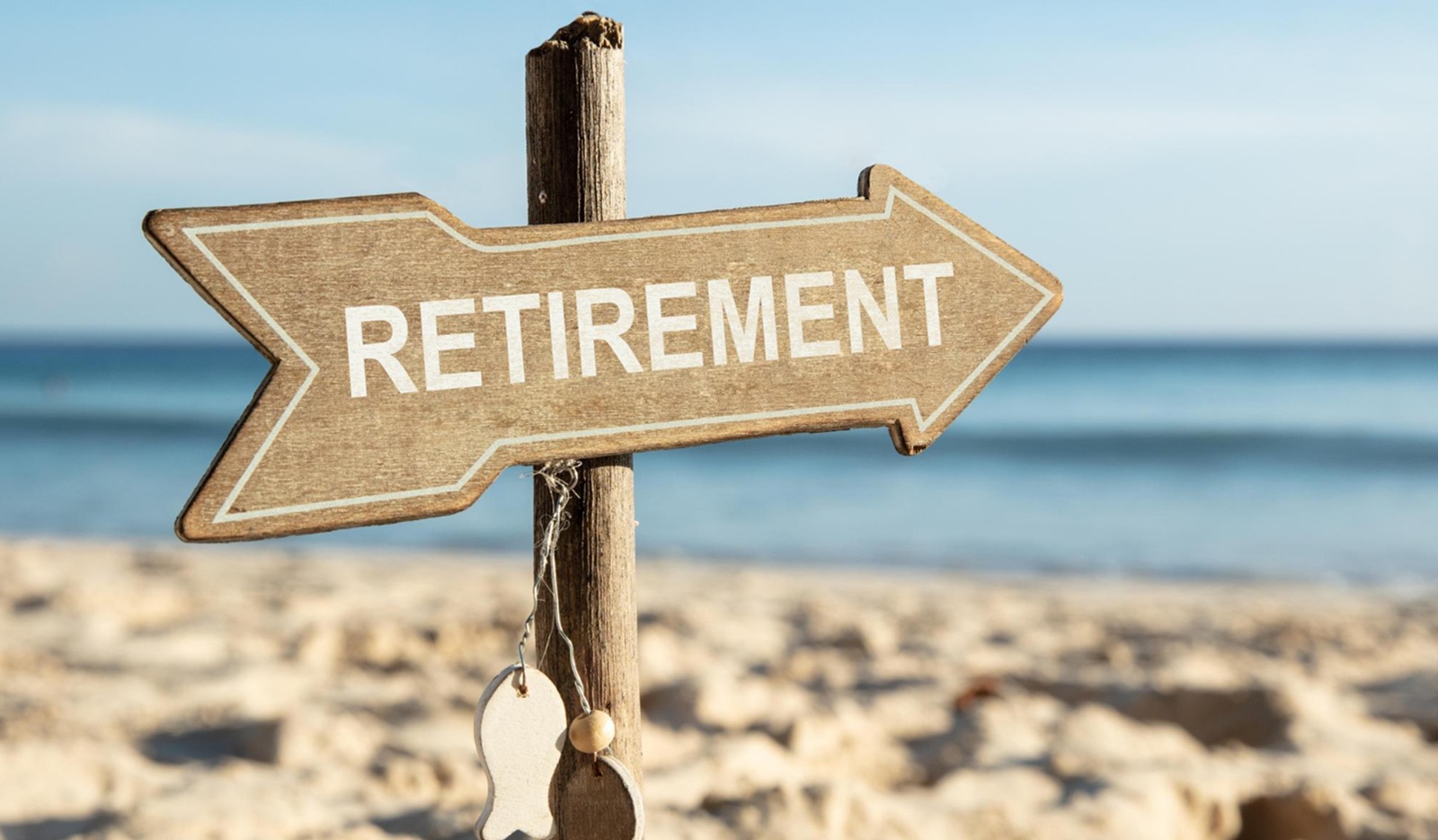
Spain is facing a quiet yet decisive transformation: the largest wave of technical retirements in its recent history. The generational handoff is no longer a distant trend but a present impact that directly threatens the operational continuity of key industrial sectors such as manufacturing, metalworking, logistics, and carpentry, among others. In many of these cases, crucial knowledge resides in the minds of seasoned workers and has not been properly documented. This dynamic is familiar to American manufacturers as well, where tacit knowledge is often trapped in veteran workers’ heads.
According to an analysis by the Adecco Foundation’s Observatory of Vulnerability and Employment, more than 5 million people are expected to retire in Spain over the next decade. When we compare that figure with the number of people entering the labor market, we find a ratio of one worker for every three retirees. This gap hits industrial trades that require years of hands-on experience hard, and deepens the erosion of competitiveness.
What can the industry do?
The challenge calls for revisiting training, documentation, and knowledge preservation strategies. Some of these solutions include creating accelerated vocational training programs; implementing structured mentoring systems within companies; opening up to new profiles; and updating technology to reduce reliance on undocumented expertise.
In this context, there are tools that allow capturing and transmitting operational knowledge in intuitive formats, especially video. More and more companies are turning to these solutions to facilitate content creation about procedures, verbalizing complex steps, or documenting the experience of senior staff in a way that is accessible and engaging for all internal audiences.
The role of these tools reflects what some industrial companies are beginning to explore: a way to create living knowledge platforms, updatable and accessible to new professionals, which allows the retirement of an expert not to entail the loss of their know-how, facilitating a bridge to the next generation of professionals.
A Window of Opportunity
The Spanish industry still has time to turn this challenge into a competitive advantage. Documenting, digitizing, and transmitting technical knowledge not only reduces the impact of retirements, but strengthens operational continuity, accelerates the learning curve for new professionals, and improves the resilience of the productive fabric.
As noted at the outset, generational handoff will be one of Spain’s biggest challenges in the coming decade, and tackling it requires combining training, technology, and strategy. The industry still has time to document and digitalize the experience of its professionals to accelerate the training of new profiles. If action is taken now, the loss of talent can become an opportunity to strengthen the future of Spain’s productive fabric. For U.S. plants and supply chains, this pattern is familiar, and addressing it today can protect competitiveness on a global stage.
Jon Enríquez, CEO and co-founder of Vidext.