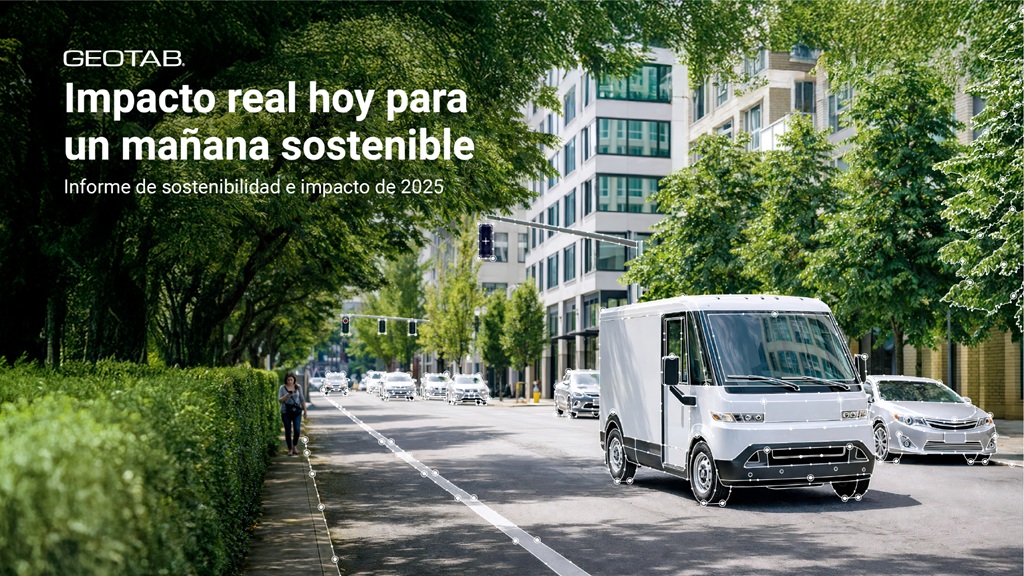
As fuel prices rise and ongoing energy volatility squeezes margins, companies are turning to data-driven strategies to boost efficiency and control costs. According to Geotab, organizations are cutting fuel consumption and idling by up to 30%, thereby reducing collisions and accelerating electrification.
These findings come from Geotab’s fifth annual Sustainability and Impact Report. In it, the company analyzes how organizations across five continents are using connected-vehicle data to reduce emissions, lower fuel costs, and improve road safety.
“Fuel-price volatility is a reminder that sustainability is a business strategy,” says Neil Cawse, founder and CEO of Geotab. “When it’s coupled with a pragmatic short-term value-driven approach, sustainability measures can drive both efficiency and profitability. Each operational improvement is an immediate and measurable step toward resilience and growth.
Real impact: how global fleets are using data to decarbonize
Across sectors and regions, organizations are already turning their fleet data into measurable environmental and financial outcomes. For example, in 2025 alone, connected electric vehicles equipped with Geotab technology logged more than 1.4 billion kilometers. Thanks to these analyses, fleets can use the data to make more informed decisions about vehicle efficiency, driver behavior, and electrification strategy.
In the postal and logistics sector in Belgium, bpost SA saved €1.6 million in fuel costs, equivalent to 1 million liters of diesel, by leveraging Geotab’s electric-vehicle data to properly size its fleet of 10,000 vans and optimize charging schedules, aligning with its goal of achieving CO₂ neutrality by 2030. In the UK’s construction and infrastructure space, Tarmac reduced idling by 30% in just three months, improved fuel efficiency by 25%, and cut speeding violations by 50%.
In public transit in Italy, Autolinee Federico managed to reduce fuel consumption by 20% and decrease fines and penalties by about 40% by optimizing driving behavior and tachograph compliance. In wholesale distribution in the United States, Richards Building Supply projected annual savings of more than $195,000 after a 90-day pilot with Geotab Vitality, achieving a 41% improvement in safe driving behavior and an 8% reduction in collision risk. Meanwhile, Carmel City Hall, winner of Geotab’s 2025 Innovation Award in the Sustainability category, used a customized dashboard to validate the emissions reductions from a biofuel pilot program.
As fleets face pressure from energy costs, emissions regulations, and operational risks, many are turning to connected-vehicle data to identify efficiency improvements and guide their long-term electrification strategies.
“Geotab’s greatest contribution to sustainability is helping the transportation sector optimize its operations. Every day we see companies reducing fuel use, cutting emissions, and making more strategic electrification decisions thanks to data and AI. Yet sustainability is a collective effort, so we must also be accountable. This report highlights both our customers’ progress and the steps we’re taking as a company to reduce our own impact,” adds Cawse.