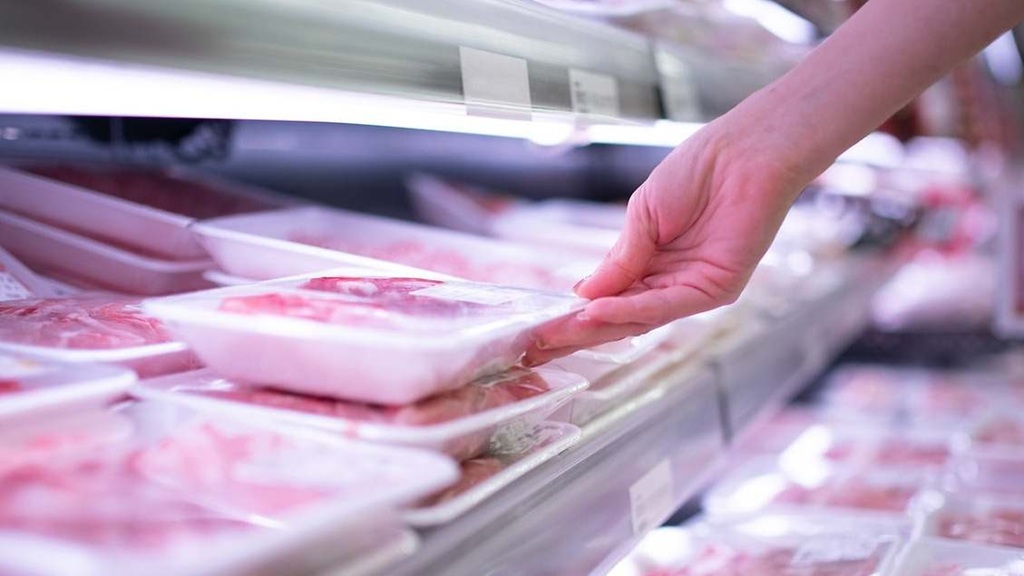
Ready-to-eat salads, trays of red meat with that intense color that looks freshly cut, sushi that stays in perfect condition for days, crunchy nuts weeks after packaging, or golden and crispy French fries. What do they have in common? It’s not magic, it’s science.
Behind that durability and that flawless appearance lies the use of food-grade gases in packaging through Modified Atmosphere Packaging, known as MAP (Modified Atmosphere Packaging), a technology that has revolutionized the preservation of perishable foods in recent decades.
Far from being an opaque or artificial resource of industry, the use of regulated and safe food-grade gases is today one of the most important tools to guarantee the quality, safety and shelf life of perishable foods. But, what exactly is Modified Atmosphere? It’s simple. The air inside a package is replaced with a specific mix of gases, mainly carbon dioxide (CO₂), nitrogen (N₂), and oxygen (O₂), tailored to each food type.
“The objectives are clear: reduce oxidation, slow the growth of bacteria and mold; maintain texture, color and freshness; and extend shelf life without the need to increase preservatives,” explains Verónica Castañón, CEO of Grupo STAG, a Madrid-based leader in food gases with more than 40 years of experience. “We work with the same gases that are present in the atmosphere, but in controlled proportions and under strict European regulations. We don’t add anything strange: we optimize the environment in which the food is preserved,” she asserts.
Why don’t all foods use the same gases?
The key is understanding that each product “breathes” differently. There is no universal mix. You have to look at the composition of the product, especially its fat and water content and its susceptibility to oxidation. Fresh red meats, for example, need high oxygen concentrations, up to 70 or 80%, to maintain that bright red color consumers associate with freshness. It’s a natural chemical phenomenon: myoglobin, present in meat, reacts with oxygen to form oxymyoglobin, responsible for that intense hue.
In contrast, fish, shellfish, or cooked meats require blends with a higher presence of carbon dioxide and nitrogen to curb microbial growth. Salads and fresh vegetables demand an even more delicate balance, with small amounts of oxygen that allow them to breathe naturally without triggering fermentation. And for nuts or bakery products, nitrogen displaces oxygen to prevent oxidation and rancidity of fats.
“Each blend is designed based on the food’s composition, its water activity and its microbiological behavior. It’s a precision technical job,” emphasizes Castañón.
And then comes the inevitable question: does all this affect the flavor? The answer is clear: minimally. The Modified Atmosphere is designed to preserve the product’s organoleptic characteristics, not to alter them. Flavor, aroma and texture remain intact. In some foods you may notice a slight initial sensation when opening the package, a natural consequence of the gas concentration inside. That’s why many labels recommend “open a few minutes before consuming.” “That brief airing allows the food to fully express its aroma, just as wine improves after a few minutes of breathing. MAP does not mask or embellish the product. What it does is slow deterioration while maintaining its original qualities for as long as possible,” says the CEO of Grupo STAG.
Main advantages of Modified Atmosphere
- Prolonged shelf life. By limiting microbial growth and slowing oxidation and chemical deterioration, products stay in good condition longer, which is especially important for fresh and highly perishable foods.
- Significant reduction in the use of added preservatives. By controlling the gaseous environment inside the package, it’s possible to minimize, and in some cases eliminate, certain additives, addressing the growing demand for more natural products with cleaner labels.
- Improved presentation. The transparent packaging used in this system lets the food retain a fresh and attractive appearance, reinforcing perceived quality at the point of sale without artificial embellishments.
- Greater durability also aids production planning and distribution, optimizing logistics, reducing restocking frequency and lowering transport costs.
In a context where the consumer demand transparency, safety and increasingly natural products, this technology can even reduce the need for added preservatives, following a simple principle: control the environment to control degradation.
“The use of food-grade gases in MAP not only aims to extend shelf life, but to do so safely and with traceability. It’s about protecting the food and the consumer, ensuring quality from origin to point of sale,” stresses Castañón.
The results are measurable. A fresh red meat cut that lasts in air for two to four days can last five to eight days in MAP. Poultry can go from just over a week to nearly three weeks. Fresh fish almost doubles its shelf life. Fresh poultry can go from less than a week to about two weeks in MAP. Cheeses can extend their life from a few weeks to more than two months.
The next time you open a tray of meat, a ready-to-eat salad, or a sushi package that stays fresh days after purchase, remember that behind it there are no tricks, but chemistry, European regulation, and decades of technical development.