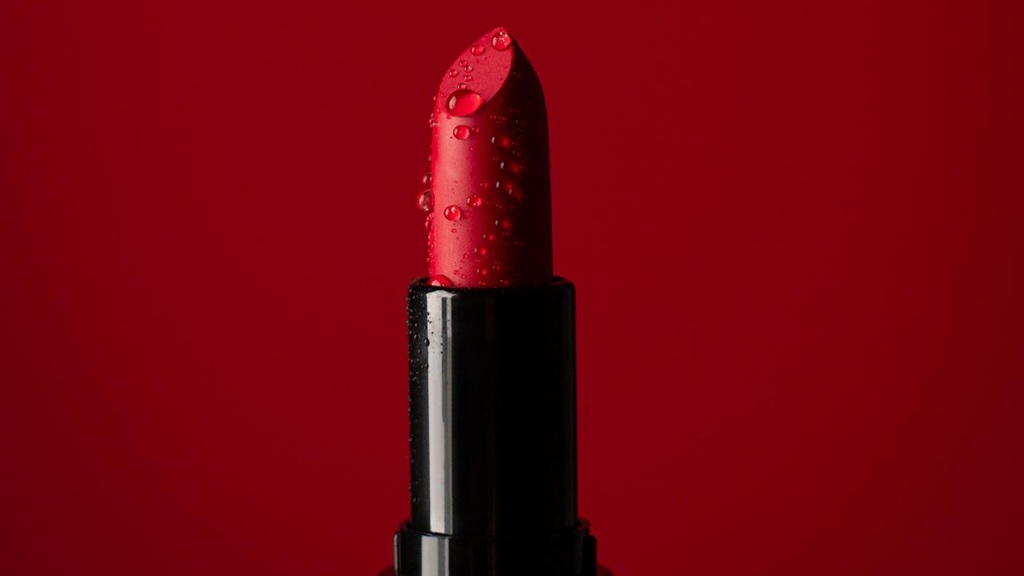
Leonard Lauder, heir to the Estée Lauder empire, identified more than two decades ago what came to be known as the “red lipstick effect”: in times of economic uncertainty, small affordable indulgences—such as a crimson lipstick—not only endure but actually boost their sales.
Today, far from being a one-off phenomenon, this theory is resurfacing in response to an unsettled social context. As noted in Booksy’s Beauty Trends Report I, which analyzes the most relevant aspects of the beauty sector in Spain, the average consumer spending on beauty services in Spain rose between 20% and 30% in 2025, indicating that even in contexts of cautious spending, the beauty sector is solidifying as a priority expense.
In this report, it has been highlighted that Spaniards spend on average about €33.7 per month on beauty, reaching roughly €10.4 billion, representing growth of around 1.8% compared to the previous year. It is also important to note that the “average ticket” is on the rise, as there is a clear tendency to pay more for a premium service with personalized attention.
Beauty spending in Spain continues to show positive growth across categories: hair care leads the expansion, driven by the trend toward “hair longevity”; nail care stands out as the fastest-growing service area, in the midst of a shift toward cleaner formulations; and barbering and men’s grooming continues to gain traction, with increased spending on facial rituals and add-on services.
A market transitioning toward micro-specialization
The beauty sector is undergoing a structural shift in which micro-specialized professionals are gaining prominence, offering highly targeted services and basing their value proposition on differentiation and added value.
This new model coexists with sector-wide challenges such as a 21% VAT and rising labor and energy costs. However, the impact is not uniform: businesses with a more specialized positioning have greater capacity to pass these costs on to the final price, thanks to a higher average ticket, which allows them to better preserve margins.