Spain is grappling with a rising problem of worker absenteeism. The country closed 2025 with an absenteeism rate of 7.1% of the contracted hours, a figure approaching historic highs and equating to almost 1.6 million workers absent each day. Within this trend, temporary disability has become one of the main concerns for companies, mutual insurers and government agencies. According to FREMAP data, the national index of temporary disability stood in 2025 at 5.92 days of leave per 100 days worked, up 10.19% from the previous year.
In this context, a technology company founded in Palencia presents data that diverge from the broader trend. Roams finished 2025 with a temporary disability index of 1.47. The difference is significant: against the 5.92 days of leave per 100 days worked recorded nationwide, Roams sits at 1.47. In other words, roughly 75% below the national temporary disability figure.
Put simply: for every 100 days of work lost to medical leaves nationwide, this small-to-medium enterprise loses about 25. The comparison is also favorable against peers in its own line of business. The company’s health report, prepared with FREMAP data, places the sector average for CNAE 61 Telecommunications at 3.39, compared to the 1.47
registered by Roams. In practical terms, Roams loses fewer than 44 days of work per 100 days lost among comparable sector peers.
Absenteeism 0%
The company internally frames this performance under a provocative idea: “0% absenteeism.” Not because there are no medical leaves, but because their real impact on the organization is far below the market norm.
The data show that during 2025 the company recorded 19 leaves initiated, all of them tied to common contingencies. In total, the company accumulated 313 days of leave over an average workforce of 58.45 people. The average duration of the completed leaves was merely 4.59 days, and more than 70% of the processes lasted less than four days.
“We are facing indicators that are very unusual within the current context,” explains Vicente Sanz, provincial director of FREMAP in Palencia. “Temporary disability continues to rise in almost all sectors and maintaining such low figures consistently shows that there exists a well-established organizational culture.”
The case is especially striking given the company’s base of operations in Palencia, a province marked by an aging population, the loss of young talent and the challenge of competing with major business hubs.
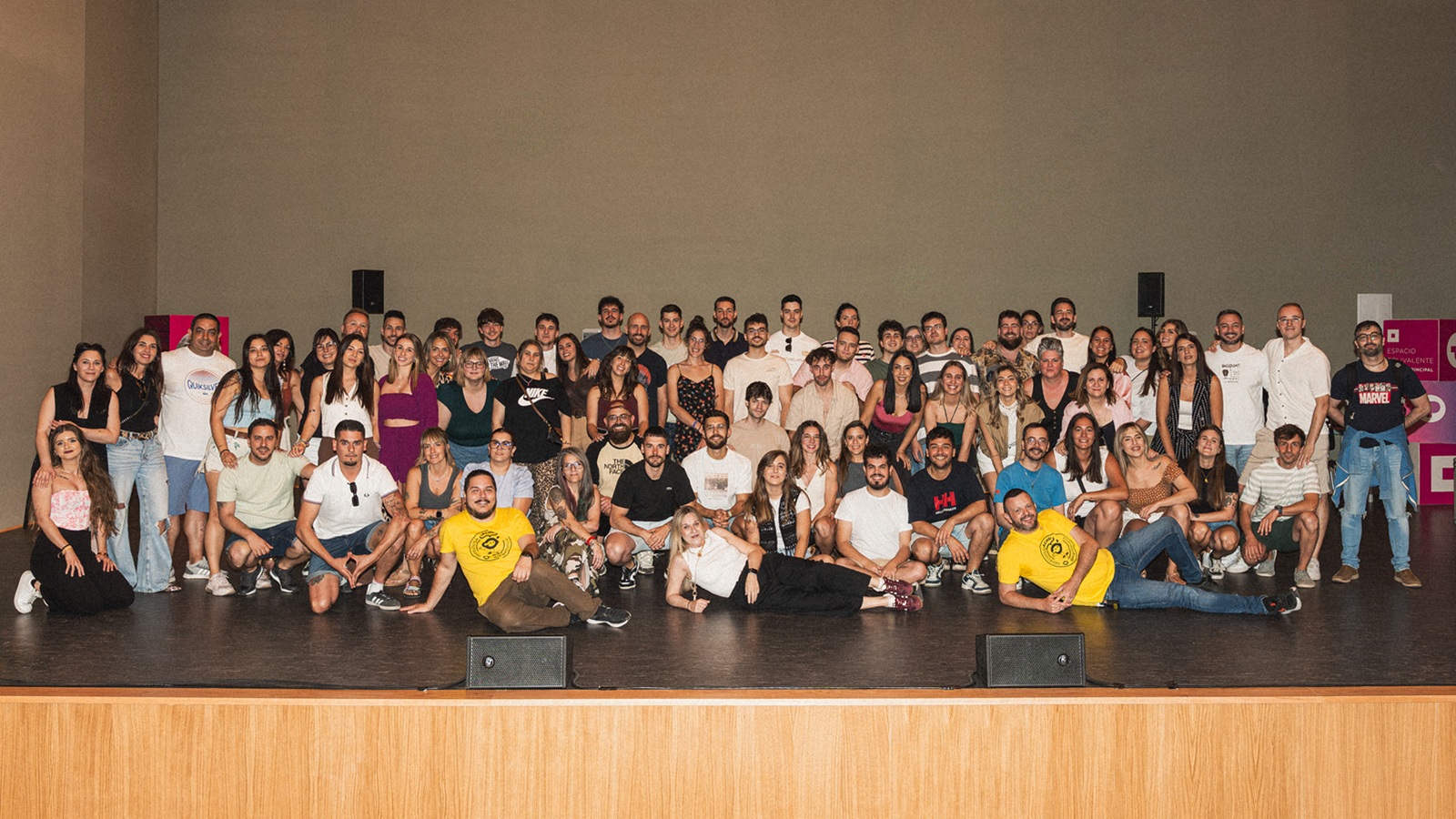
Nevertheless, it has managed to consolidate a stable workforce, surpassing 80 employees and maintaining a sustained growth trend in recent years. Roams attributes these results to a combination of factors: close collaboration among teams, flexibility, real work-life balance, professional development, healthy habits and an internal culture tied to the company’s purpose.
The company works with a human-centric service model supported by technology to help consumers resolve everyday problems with their essential services: mischarged invoices, tariff changes, claims, insurance, utilities or complex procedures.
That purpose, according to the company, also influences internal dynamics. The employees not only perform commercial or administrative tasks, but also directly see the impact of their work on families, self-employed individuals and small businesses. For Vicente Sanz, this human dimension carries substantial weight. “The real work-life balance, flexibility and the sense of belonging have a very direct impact on people’s well-being. When workers feel they are part of the project, the level of commitment changes completely,” he notes.
“Professional development also has a big influence. When people perceive stability and growth opportunities within the company, engagement rises and burnout diminishes,” he adds.
The Roams workforce is predominantly young, though more than a quarter of its employees are over 40. For Sanz, this is significant because “it debunks the idea that these indicators can only be explained by age.” In a moment when absenteeism has become one of the great labor debates in Spain, Roams’ case points to an uncomfortable conclusion: reducing leaves does not depend solely on medical checks, administrative procedures or corporate oversight.