Recently, the **Pedroches Valley Cattle Cooperative** (COVAP) expanded its lineup of meat solutions with the launch of Cocina Maestra. It is its new range of ready-to-eat prepared dishes made with beef and acorn-fed Iberian pork from the Dehesa de Los Pedroches (Córdoba), considered the “greatest paradise of Iberian pork”.
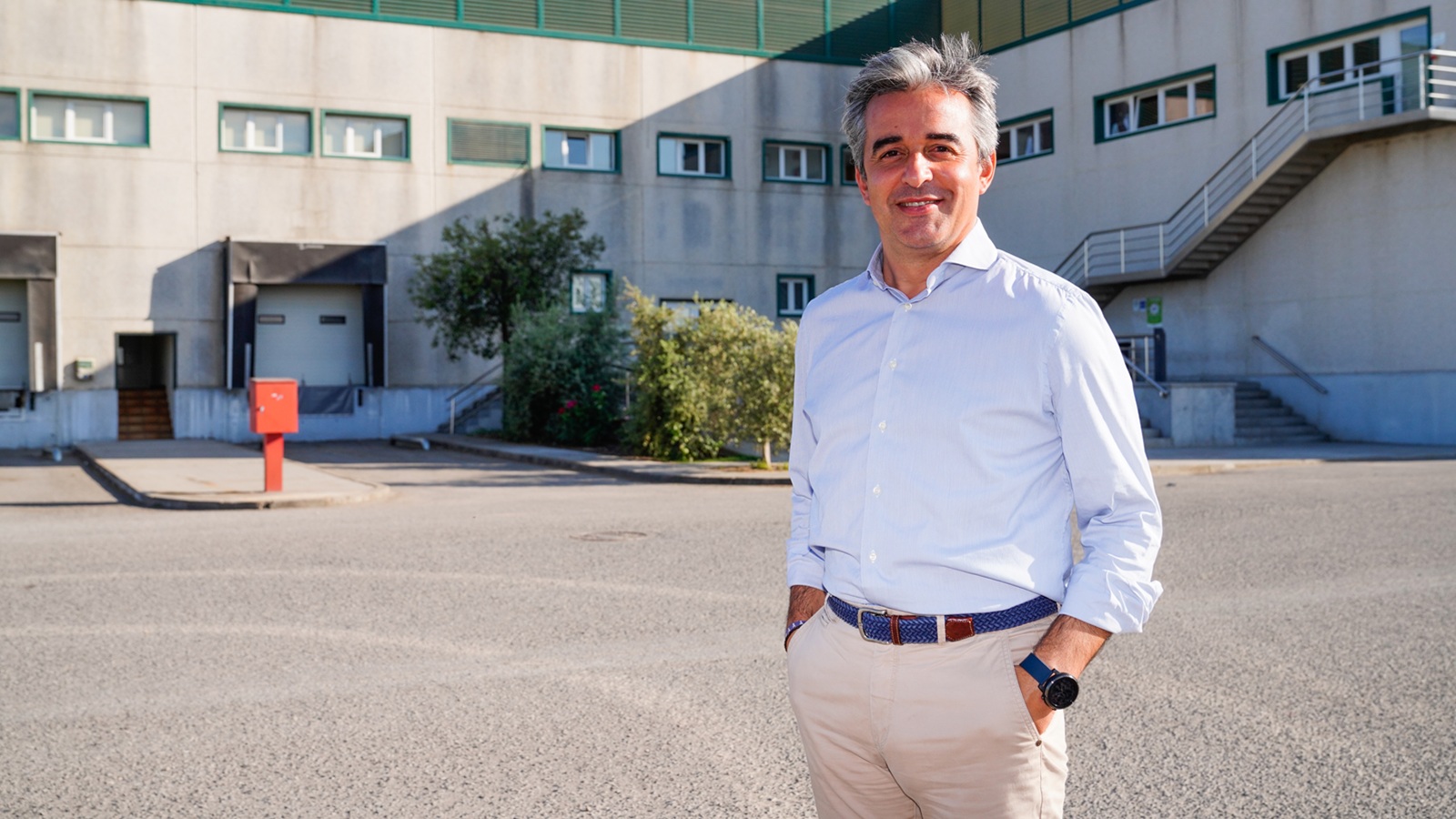
With more than 65 years of livestock specialization and knowledge of the meat sector, the cooperative translates that experience into a line of ready-to-consume recipes that maintain respect for a high-quality raw material and traditional cooking. To learn a little more about their strategy, traditional values, and relationship with the stores that sell their products, MuyPymes spoke with Raúl Sanz, director of the COVAP Meat Group.
MuyPymes: How has COVAP’s cooperative model evolved to meet today’s market challenges?
Raúl Sanz: COVAP has kept its cooperative essence for more than 65 years, but our model is a vertical integration model that allows us to control the entire chain: from the raw materials used to formulate the cattle feed to the marketing of the final product. This gives us flexibility to respond to trends such as the demand for convenience without sacrificing either the quality or the origin, our two main values.
The launch of Cocina Maestra is an example of this adaptation: we translate our livestock experience into solutions that respond to new consumer habits, while maintaining our commitments to our farming partners and to the consumer.
MuyPymes: How do you balance tradition and innovation?
Raúl Sanz: Tradition is in our DNA: we raise our animals freely in the Dehesa de Los Pedroches, with natural feeding and respect for seasonal cycles like montanera (the acorn-feeding period). But we innovate in form and value proposition.
Cocina Maestra combines traditional cooking recipes (such as beef ragout in Burgundy sauce or Iberian pork cheeks) with refrigerated preservation technology and the clean-label trend, featuring a short, simple ingredient list. It’s tradition made accessible for today’s consumer.
MuyPymes: What opportunities does COVAP offer small distributors, gourmet shops, or the independent foodservice channel?
Raúl Sanz: We offer a product differentiated by origin and certified quality, backed by a recognizable brand like COVAP. For both the traditional and gourmet channels, this means being able to compete with value propositions that go beyond price.
In addition, our full traceability model and our origin, the Dehesa de Los Pedroches, is a powerful selling point that these channels can convey to their end customers.
MuyPymes: What type of professional customer is most interesting to you today?
Raúl Sanz: We look for professionals who share our values: transparency, quality, and a commitment to origin. The “conscious consumer” who values not only the product, but everything behind it—animal welfare, sustainability, rural impact—is our primary target.
This includes both specialized distributors and restaurants that want to offer authentic gastronomic experiences with locally sourced products. The independent HORECA sector finds in COVAP a partner to differentiate itself.
MuyPymes: How does your model contribute to keeping people in rural areas?
Raúl Sanz: COVAP brings life to 2,000 farming families that reside and work in three regions: Los Pedroches, Valle del Guadiato, and Valle de Alcudia. Our cooperative model guarantees a stable income for our members, allowing several generations to continue working in the same territory.
But we also generate more than 1,300 direct jobs and more than 13,000 indirect and induced jobs. Moreover, one of our main challenges by 2030 is to ensure the continuity of livestock productions by launching projects that guarantee generational succession and facilitate the onboarding of young farmers, preventing the loss of knowledge and craft.
MuyPymes: What concrete actions are you implementing to improve sustainability in the Dehesa de Los Pedroches?
Raúl Sanz: COVAP develops multiple projects for the conservation of the dehesa, the world’s largest continuous oak forest. We work on regenerating the tree canopy; our animals graze freely in the dehesa, which contributes to its maintenance. We also recently inaugurated the University Program for Dehesa Management, together with the University of Córdoba and the Ricardo Delgado Vizcaíno Foundation, where 16 farming partners are trained in sustainable management of their herds.
In terms of a circular economy, we have a biogas plant that uses the manure from cattle activities, hybridized with biomass and solar plants to cover the energy needs of our industries.
We have also optimized water use through purification and reuse systems in industrial processes, and we aim to achieve emissions neutrality by 2050.
MuyPymes: What market need did you identify to launch Cocina Maestra COVAP?
Raúl Sanz: Refrigerated ready-to-eat meat dishes grew by 12.4% in 2025, the highest figure in the entire category. 95% of Spanish consumers already include ready meals in their basket, but they seek quality and transparency, not just convenience.
We identified an opportunity to offer a solution that combines speed (3 minutes of preparation) with simple ingredients and origin-certified meat. It’s the answer for the consumer who doesn’t want to compromise on quality even when short on time.
MuyPymes: How does COVAP guarantee that these ready meals maintain the quality and authenticity of the origin product?
Raúl Sanz: As I mentioned earlier, our 360° model enables complete traceability of all our products since we control every link of the agri-food chain: agriculture, animal feed, livestock, industry, and marketing.
Additionally, we select specific cuts for these dishes and use only natural ingredients: extra-virgin olive oil, garden vegetables, quality wines. The ingredient list is short and understandable: a real clean label, not just rhetoric.