What do a mobile phone charger, an electric car, and a satellite have in common? All of them need to transform and control electricity to function. And behind that transformation lies complex engineering that can require weeks or even months of specialized work.
That was the problem that began to obsess Chema Molina, a Spanish engineer, PhD from the Polytechnic University of Madrid, and founder and CEO of Frenetic. During his research years he asked a simple question: if we know the equations that explain how a transformer works, why do we still take so long to design it? The answer ended up becoming a tech company and a professional mission: radically accelerate the design of energy conversion systems.
A Manchego in Silicon Valley
Molina grew up in Fuente-Álamo, a small municipality in La Mancha, before starting his academic career at the UPM. Years later he made the jump to the United States, and today he conducts part of his activity from Silicon Valley. In a recent interview on COPE’s program Lo que viene, he compared today’s San Francisco to a kind of “Florence of the 15th century”: a place where large companies, scientific talent and technological innovation come together.
Frenetic works on transformer design, essential elements for transforming electricity inside virtually any electronic device. As devices get smaller and demand more power, the calculations necessary become much more complex. To tackle that challenge, Frenetic has developed technology capable of rapidly solving electromagnetic calculations based on Maxwell’s equations and combining them with optimization algorithms and artificial intelligence.
The aim is for engineers to be able to analyze more design options in far less time. The company aims to accelerate processes that traditionally take weeks by up to 100x, always maintaining a physical and engineering grounding. Artificial intelligence is used to explore alternatives and optimize factors such as size, power, or efficiency, while the engineer defines the requirements and validates the result.
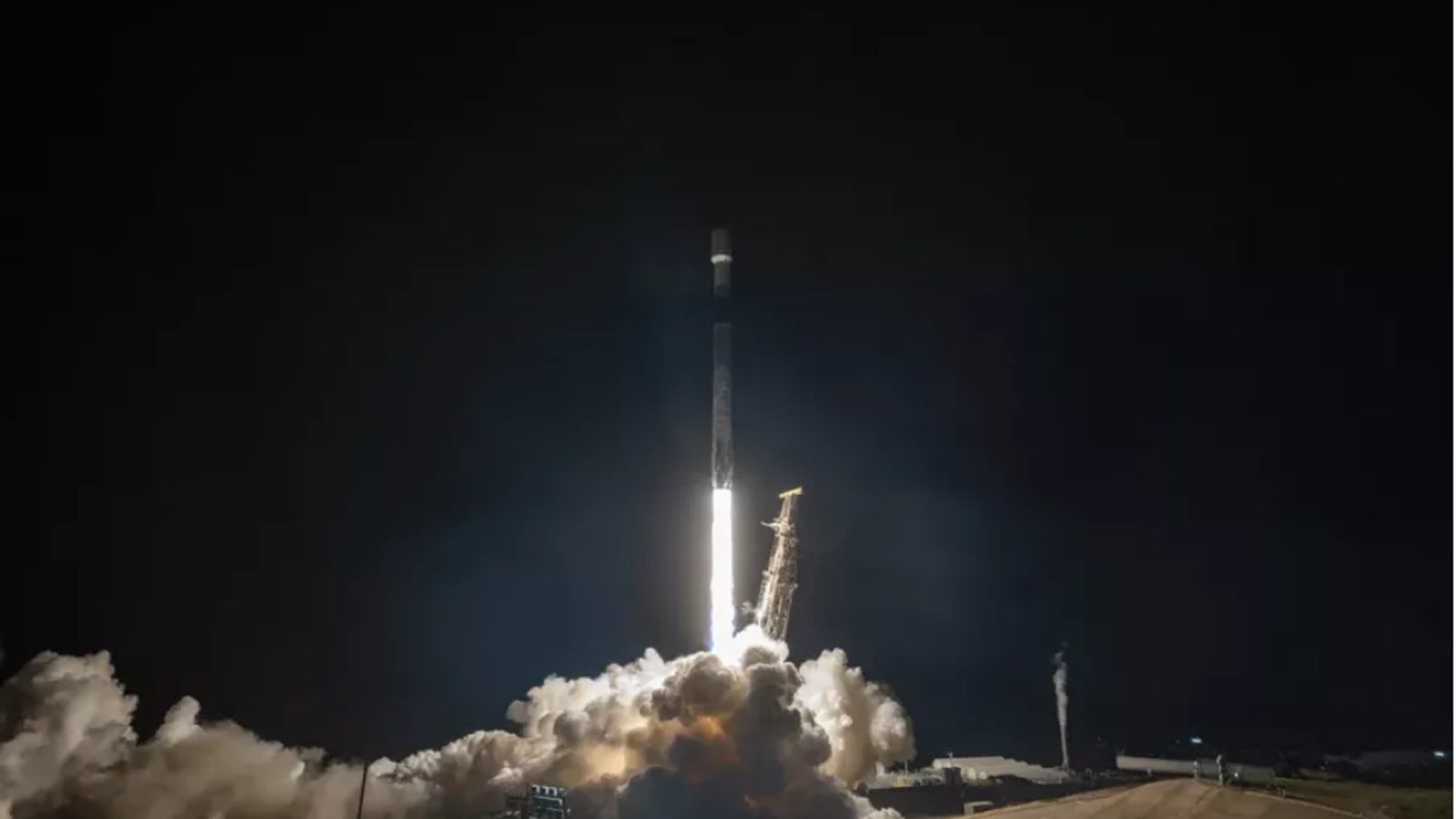
One area where this technology is finding the greatest application is the space sector. During the interview, Molina explained that Frenetic has worked with organizations and companies such as NASA, Siemens, Thales Alenia Space, and Airbus. Some of its transformers are already operating in space and participating in applications like Earth observation and fire detection.
Although Frenetic has a significant international presence, a core part of its activity remains tied to Spain. The company has a factory-lab in Villaverde, Madrid, where prototypes and small runs are developed. The team currently numbers 20 people, with 4 professionals in the Americas, who will become 5 soon, 1 in Switzerland and 1 in Greece.
Molina also experiences the AI debate in Silicon Valley from the inside. From his position as an engineer and founder, he observes this transformation from a very concrete vantage point: the place where AI stops being purely software and begins to depend on the physical infrastructure that makes its operation possible. Because behind every digital advance there remains a material reality: electricity, electronics, and systems capable of transforming energy.