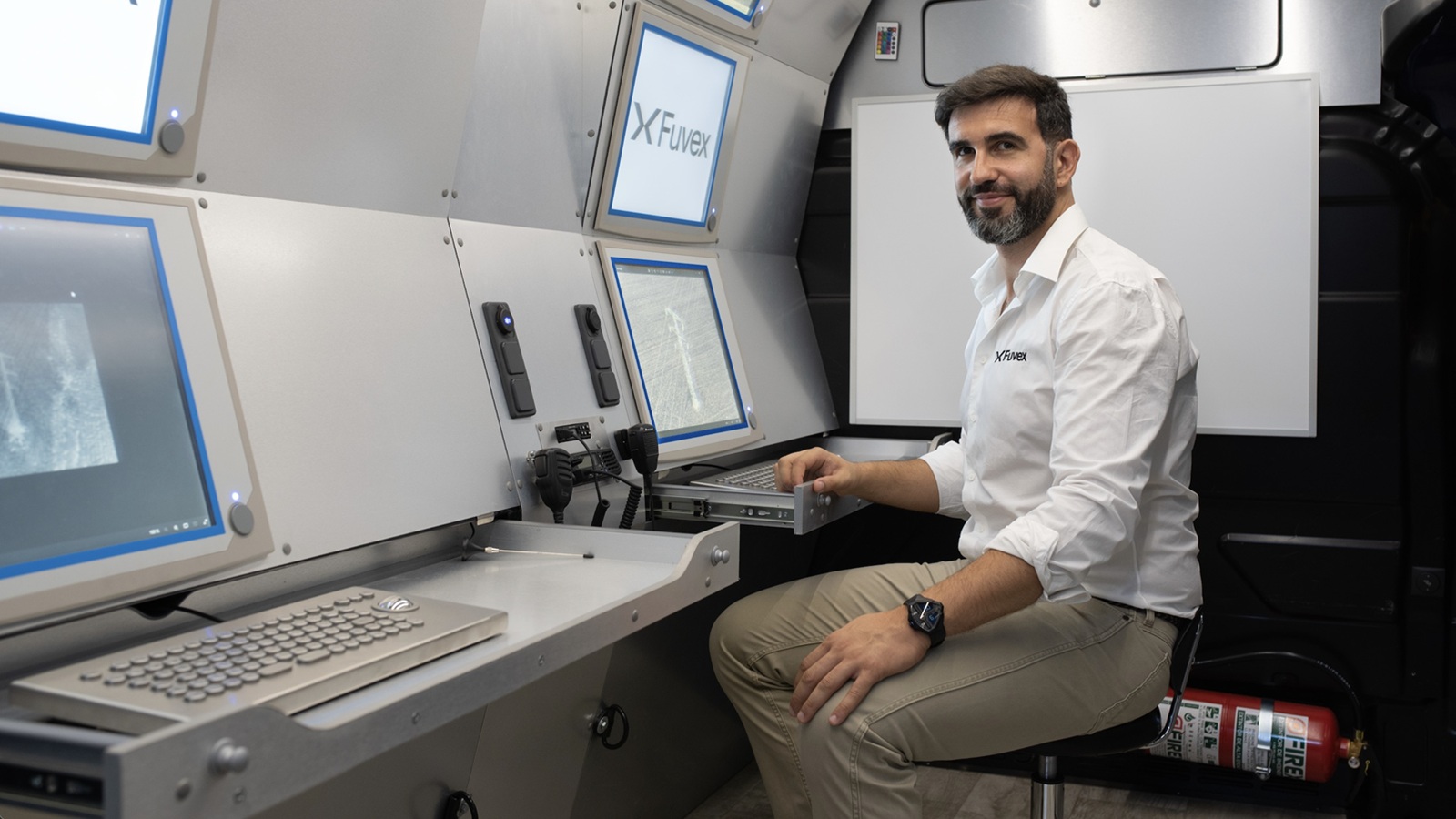
The Navarra-based small and midsize business Electra Valdizarbe has become the first small electricity distributor in Spain to inspect 100% of its grid using long-range drones, a milestone that marks a turning point in the digitization of this type of infrastructure, traditionally distant from the most advanced technologies.
This milestone also carries a key differentiating element: it has been driven by two regional firms, Electra Valdizarbe itself and FuVeX, demonstrating how small and midsize businesses can lead innovation in strategic sectors like energy, historically dominated by large corporations.
Previously, inspection of power lines in small distributors was done manually, on foot, which significantly limited the ability to collect digital data and, therefore, impeded the use of artificial intelligence tools for the efficient management of these assets. For large utilities, these processes had already been digitalized through the use of manned helicopters, a solution unviable for smaller networks due to its high cost and operational complexity.
How Long-Range Drones Work
In this context, long-range drones are positioned as the only option capable of closing this technology gap. The operation has been carried out by FuVeX, which deployed its Hexa FuVeX Mk.2 drones—aircraft with the longest authorized range in Spain—capable of operating up to 10 kilometers. These devices integrate in a single flight the capture of visual, thermal, and LiDAR data, enabling the detection of defects in the infrastructure, identification of hotspots, or analysis of possible clearance violations with nearby elements such as vegetation or buildings.
The data collected have been processed by CIC Consulting Informático, which has developed an automated system based on a complete digital twin of the grid. This technology not only allows precise visualization of the infrastructure but also automatically detects incidents and triggers maintenance orders, thereby optimizing grid management.
This project represents a structural shift for the sector. While the complete digitization of electrical grids had previously been the exclusive domain of large distributors, this technology now makes it possible to transfer these capabilities to smaller networks, many of them critical to ensuring power supply in rural areas. The ability to have a complete digital twin also opens the door to incorporating artificial intelligence into decision-making, anticipating failures and improving operational efficiency.
The project draws on FuVeX’s prior experience, having inspected more than 30,000 kilometers of power lines for large distributors. However, this initiative marks the first deployment of long-range drones on smaller networks, driven by Electra Valdizarbe’s commitment to innovation, positioning it as a pioneer in its category.
Moreover, the local, business-driven character reinforces its relevance: both Electra Valdizarbe and FuVeX are SMEs from Navarra, where R&D initiatives such as H2Dron and FreeDrone have been developed, consolidating a case of tech innovation driven by the regional business fabric.
After completing the full digitization of its grid, the next step is to transfer this model to other small distributors, especially within the CIDE association, which groups 190 distribution companies across the country and where Electra Valdizarbe is involved in several working groups, with the aim of extending the use of this technology and accelerating the modernization of Spain’s electricity sector.