In recent years, experts have noted a growing complexity in crimes, which has transformed how criminal proceedings operate. Cybercrime, money laundering, fraud, or data manipulation require a highly skilled professional who can understand and explain the evidence.
In this context, the role of the forensic examiner as a forensic science expert responsible for analyzing the evidence related to a crime, providing a technical and objective report that helps to clarify the facts.
In Spain, more than 1.7 million criminal procedures were recorded in 2024, according to figures in the General State Attorney’s annual reports, and in many of these cases the forensic examiner plays a crucial role. Moreover, more than 70% of complex criminal proceedings require the involvement of experts. Given the importance of this profession, Ana Meizoso, a lawyer and instructor of the Campus Training Forensic Examiner Course explains exactly what the job entails.
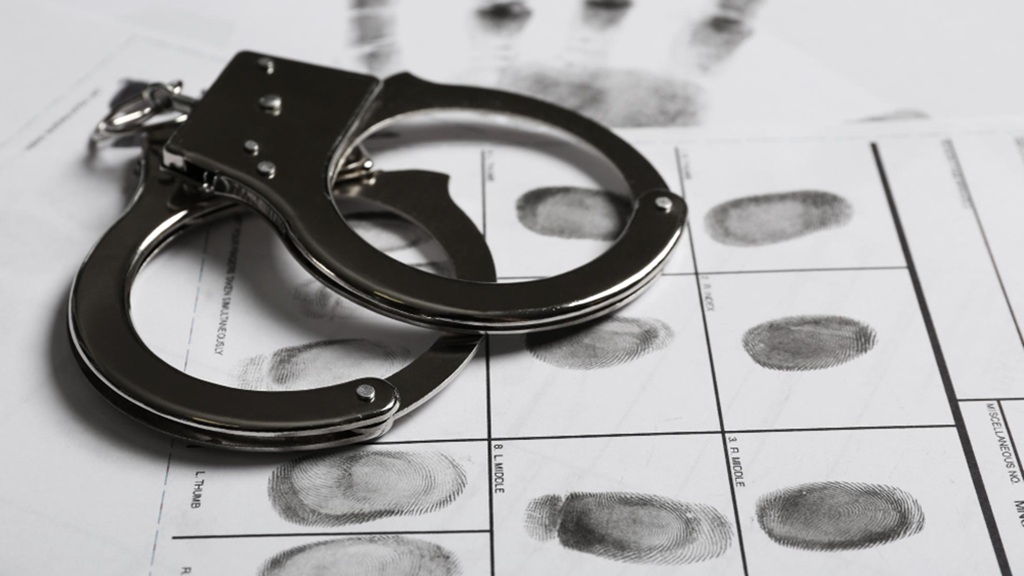
“A forensic examiner participates in the entire ‘evidence cycle’: from locating the evidence to explaining it and presenting it before the judge,” the expert notes. Whether at the scene or upon receiving the evidence, the examiner conducts an inspection, identifying signs of all kinds—such as weapons or fingerprints—along with laboratory analyses or forensic work. In the case of digital crimes, they are responsible for seizing hard drives, mobile devices, or computers.
“A scientific test can completely change a verdict, even lead to a conviction or an acquittal, but always within the framework of the judge’s overall assessment of the evidence,” explains Ana Meizoso.
Nowadays, crimes are more complex, whether due to new digital tools, the rise of fraud, or data manipulation. These offenses require highly technical knowledge that often lawyers and judges do not possess, which is why the forensic examiner has become an indispensable figure.
Rise of digitization in evidence analysis
Digitization has completely transformed the landscape, expanding the scope of action for experts. Now, analyses involve far greater technical complexity, and digital evidence has become a central axis in many expert reports.
To this end, professionals have had to train and become experts in digital evidence. “They have expanded their role into cybercrime, artificial intelligence, and computer-forensic analysis, making their involvement more complex and decisive in the criminal process,” describes Ana Meizoso.
Although it is a relatively uncommon career, criminology offers a wide range of job opportunities in judicial, police, private, and tech sectors. Moreover, it is a profession that can be pursued by multidisciplinary professionals from fields such as law, the sciences, engineering, computer science, and criminology.
To ensure reliable and useful reports in the criminal process, the forensic examiner must combine scientific training, digital proficiency, legal knowledge, communication skills, and a strict professional ethics.